ET Edge – Insights

India stands at a critical juncture where water scarcity threatens not just rural areas but major urban centers as well. Rapid urbanization, coupled with the erratic monsoon patterns exacerbated by climate change, has led to a severe imbalance between water demand and supply. Major cities like Bengaluru, Chennai, and Mumbai, despite their economic might, often find themselves grappling with crippling water shortages. In this scenario, conventional methods of sourcing water—whether from rivers, lakes, or groundwater—are proving unsustainable. It is against this backdrop that innovative solutions, such as Atmospheric Water Generators (AWGs), present themselves as more than just technological novelties. They offer a fundamental shift in how we can harness a previously overlooked resource: the humidity in the air.

Continue reading “ET Edge – Insights”

The Daily Guardian

Water scarcity is one of the most pressing issues faced by small-scale farmers in arid regions. With changing climate patterns and increasing demand for water resources, these farmers often struggle to sustain their livelihoods. However, advancements in water generation technologies are providing new solutions to address this challenge.

Atmospheric Water Generation

Atmospheric Water Generation (AWG) is a cutting-edge technology that extracts moisture from the air and converts it into potable water. This technology is particularly beneficial in arid regions where traditional water sources are scarce. AWG systems can operate in a variety of environmental conditions, making them a reliable water source for small-scale farmers.

Benefits for Farmers

  • Reliable Water Supply: AWG systems provide a consistent and reliable water supply, reducing farmers’ dependency on erratic rainfall and depleting groundwater sources. This ensures that crops receive adequate water, leading to better yields and increased food security.
  • Cost-Effective: Once installed, AWG systems have relatively low operating costs. They reduce the need for expensive water transportation and storage infrastructure, making them an economically viable option for small-scale farmers.
  • Sustainable Agriculture: By providing a sustainable water source, AWG systems enable farmers to adopt sustainable agricultural practices. This includes efficient irrigation techniques such as drip irrigation, which minimises water wastage and maximises crop productivity.
  •  Resilience to Climate Change: As climate change exacerbates water scarcity, AWG systems offer a resilient solution. They can continue to generate water even in extreme weather conditions, ensuring that farmers have access to water year-round.

Supporting Indoor Farming And Hydroponics

AWGs are also proving to be invaluable for indoor farming, particularly hydroponics. Hydroponics is a method of growing plants without soil, using mineral nutrient solutions in an aqueous solvent. This method requires a consistent and reliable water source, which AWGs can provide.

  • Micro Farms: AWGs enable the setup of micro farms in arid regions where traditional farming is not feasible. These micro farms can be established indoors, providing fresh produce year-round, regardless of external weather conditions.
  • Consistent Water Supply: Hydroponic systems thrive on a consistent water supply, and AWGs ensure that plants receive the right amount of water and nutrients at all times. This leads to healthier plants and higher yields.
  •  Efficient Water Use: Hydroponics combined with AWG technology ensures efficient use of water, reducing wastage significantly. The closed-loop system of hydroponics recycles water, and AWGs replenish any lost moisture, making the system highly sustainable.

Other Innovative Water Technologies

In addition to AWG, several other water generation technologies are making a positive impact on small-scale farming in arid regions:

  • Desalination: Desalination plants convert seawater into freshwater, providing an abundant and reliable water source. While traditionally used in coastal areas, advancements in portable desalination units are making this technology accessible to inland farmers as well.
  • Rainwater Harvesting: Collecting and storing rainwater during the wet season is a traditional yet highly effective method. Modern rainwater harvesting systems are equipped with filtration and storage solutions, ensuring that water remains safe for agricultural use throughout the year.
  • Solar-Powered Irrigation: Solar-powered pumps and irrigation systems harness renewable energy to extract and distribute water efficiently. These systems are particularly beneficial in off-grid areas where access to electricity is limited.

Challenges And Future Prospects

Despite the promise of these technologies, there are challenges to their widespread adoption. High initial costs, lack of awareness, and limited technical expertise can hinder implementation. However, with increasing governmental and non-governmental support, these barriers are gradually being addressed.

Public-private partnerships are playing a crucial role in scaling up these technologies. Subsidies, training programs, and awareness campaigns are helping small-scale farmers understand and adopt water generation technologies.

Conclusion

Water generation technologies like AWG, desalination, rainwater harvesting, and solar-powered irrigation are transforming agriculture in arid regions. By providing a reliable and sustainable water supply, these technologies empower small-scale farmers to enhance their productivity and resilience against climate change.

As we continue to innovate and invest in these solutions, the future holds great promise for farmers in arid regions, ensuring that they can thrive despite the challenges posed by water scarcity.

Inc42

Water scarcity is a pressing challenge that impacts agriculture worldwide. With climate change exacerbating droughts and depleting traditional water sources, farmers face increasing difficulties in securing a reliable water supply for irrigation. This problem is particularly acute in arid and semi-arid regions where agriculture often relies on unpredictable rainfall or over-extracted groundwater. To address these challenges, innovative solutions like Atmospheric Water Generation (AWG) technology are emerging as game-changers, offering a consistent and sustainable water source for agricultural use.

Understanding AWG Technology

Atmospheric Water Generation (AWG) is a technology that extracts moisture from the air and converts it into clean, potable water. By harnessing the humidity present in the atmosphere, AWG systems produce water that can be used for a variety of applications, including agriculture. Unlike traditional methods such as borewells or surface water extraction, AWG does not deplete existing water resources. Instead, it taps into a renewable source—the moisture in the air—making it an ideal solution for regions facing water scarcity.

Benefits of AWG in Agriculture

1.Steady Water Supply: One of the most critical focal points of AWG innovation is its capacity to give a reliable water supply. In regions where irrigation is challenging, due to a lack of reliable water sources, AWG can offer a dependable alternative. This helps farmers maintain crop production and reduce their reliance on erratic weather patterns, ultimately improving food security.

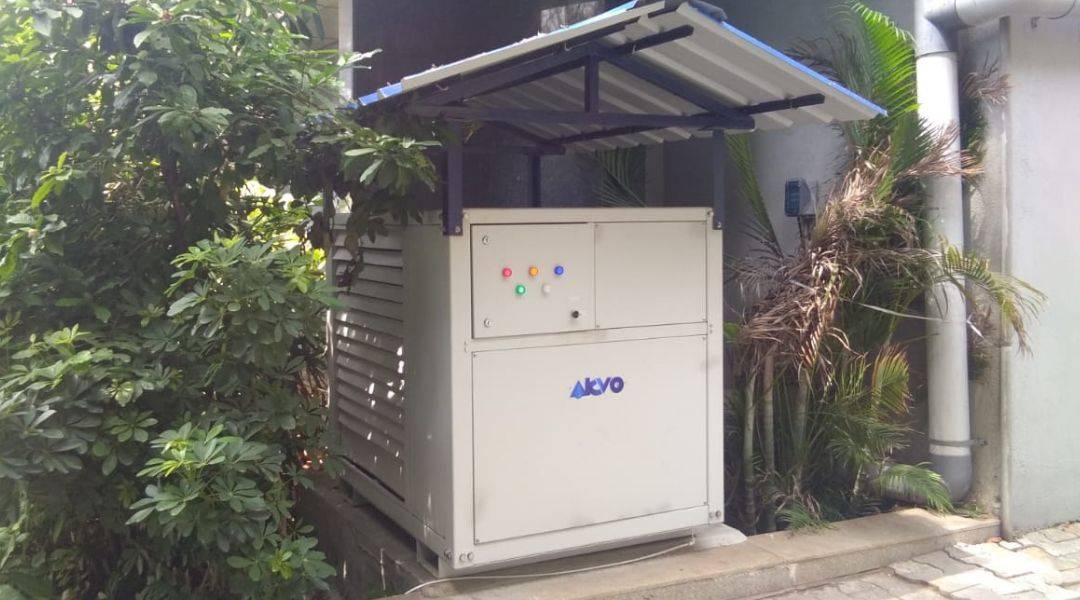
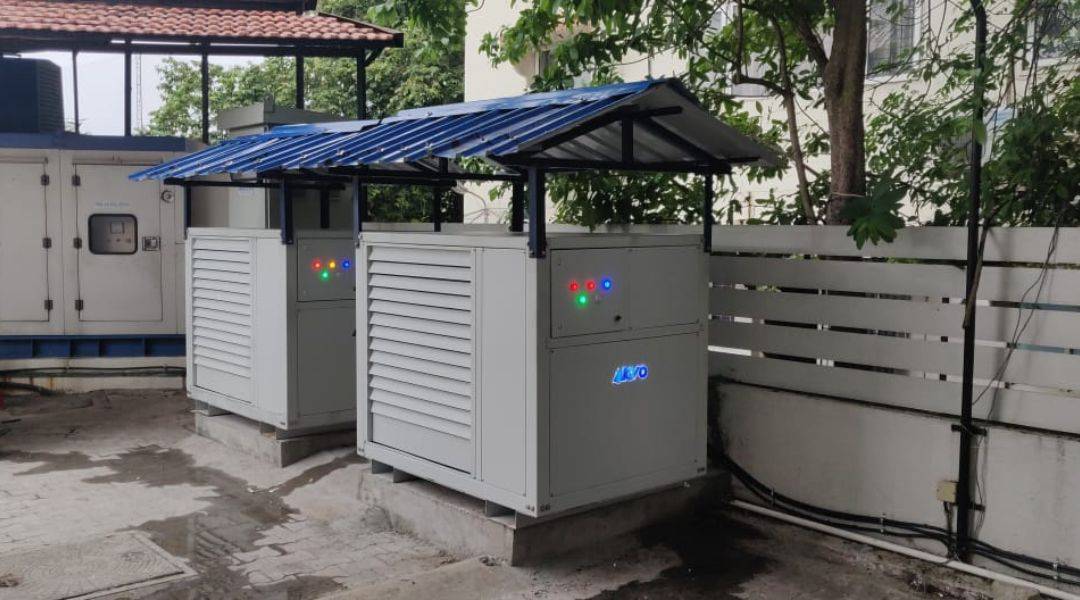
2. Scalability and Flexibility: AWG systems, such as Akvo’s modular Water Block, are highly scalable and can be tailored to meet the specific needs of agricultural operations. Whether for small-scale farms or large agricultural estates, these systems can be adjusted to produce the required volume of water, ranging from 50 liters to 100,000 liters per day. This flexibility makes AWG suitable for a wide range of agricultural settings, from greenhouse irrigation to open-field farming.

3. Environmental Sustainability: AWG technology supports sustainable agriculture by reducing the environmental impact associated with traditional water extraction methods. For instance, pumping groundwater or diverting surface water often leads to ecosystem degradation and decreased biodiversity. AWG, on the other hand, extracts water without disturbing natural water bodies or soil. Moreover, advancements in AWG efficiency, such as energy optimization and IoT integration, make these systems increasingly eco-friendly.

Real-World Applications and Success Stories

AWG technology is already making strides in agriculture, particularly in regions where water scarcity is a critical concern. In India, for example, pilot projects have demonstrated the potential of AWG to support smallholder farmers by providing an alternative water source for crops like rice, wheat, and vegetables. In the GCC region, where water scarcity is a daily reality, AWG systems are being explored to support large-scale agricultural initiatives, helping to reduce dependence on costly and environmentally taxing desalination processes.

Challenges and Future Prospects

While the potential of AWG in agriculture is immense, there are challenges to consider. Initial setup costs and energy requirements are often cited as barriers to widespread adoption. However, continuous innovation in the field is addressing these issues, with new models boasting improved energy efficiency and lower costs. As the technology evolves, it is expected that AWG will become more accessible and economically viable for farmers worldwide.

Integrating AWG technology into agriculture presents a promising solution to the global water scarcity challenge. By providing a sustainable, scalable, and consistent water source, AWG can help farmers maintain productivity and resilience in the face of changing climate conditions. As stakeholders in the agriculture sector look towards innovative ways to enhance water security, AWG stands out as a viable and forward-thinking approach. Embracing this technology can transform water management in agriculture, ensuring a more sustainable future for food production.

Read the original article here to learn more about how AWG technology is revolutionizing agriculture and addressing global water scarcity.

Navkaran Singh Bagga is the  CEO & Founder of Akvo.

Bizz Buzz

The traditional reliance on groundwater and river systems is proving inadequate and unsustainable

Many forward-thinking corporates are early adopters of AWG technology, utilizing it to meet their sustainability goals while also curbing costs on drinking water for their workforce. This adoption underscores the practical and economic benefits of AWG 

India’s relentless quest for sustainable water resources in the face of escalating scarcity and pollution finds a promising ally in Atmospheric Water Generation (AWG). This innovative technology, which extracts potable water directly from the air, is revolutionizing how we access and ensure water sustainability. 

The need for sustainable water solutions:
With urban centres burgeoning and climatic irregularities becoming the norm, the traditional reliance on groundwater and river systems is proving inadequate and unsustainable. The pressing demand for clean water in densely populated and industrial regions is increasingly at odds with the finite and often contaminated natural water supplies. 

Science behind atmospheric water generation:
Atmospheric water generation stands out by tapping into the air’s humidity – a vast, underutilized resource. The process is elegantly simple yet profoundly impactful:

1. Air filtration: Initially, air is drawn into the AWG unit, filtering out dust, pollen, and other particles.
2. Condensation: This clean air is then cooled to its dew point, transforming water vapor into droplets.
3. Purification and mineralisation: Finally, these droplets are purified and potentially enhanced with essential minerals, ensuring that the water is both safe and nourishing.

Atmospheric water generation, the game-changer:

Sustainability and scalability: AWG can run on renewable energy, aligning with global carbon reduction goals. The scalability from personal units in homes to larger systems for industrial applications illustrates its versatility, catering to various needs without depleting natural resources. Also Read – Vembu slams ‘Liver Doc’ for calling him ‘health illiterate boomer uncle’

Uncompromised quality: The resultant water is purer than most natural sources, reducing reliance on chemical treatments and promoting health. 

Early adoption by corporates: Many forward-thinking corporates are early adopters of AWG technology, utilizing it to meet their sustainability goals while also curbing costs on drinking water for their workforce. This adoption underscores the practical and economic benefits of AWG, making it an attractive option for businesses aiming to enhance their operational sustainability. As these companies integrate AWG into their daily operations, they not only contribute to environmental conservation but also establish a blueprint for others in the corporate sector. 

Bringing AWG to life in India: In India, AWG’s potential is particularly significant. It can transform rural areas with limited infrastructure by providing reliable access to clean water, or support urban centers with supplementary supplies, ensuring resilience against shortages. Industries requiring high-quality water, like pharmaceuticals and food processing, could see substantial benefits, enhancing both their sustainability and operational reliability. 

Looking ahead: The traction AWG is gaining in urban areas signals a robust trend for the next few years, with more businesses and residential complexes likely to adopt this technology. As promising as AWG technology is, it faces hurdles like dependence on specific climatic conditions and the initial costs and energy requirements. However, ongoing advancements and increasing scale are likely to diminish these barriers, making AWG a cornerstone of India’s strategy to overcome its water challenges.

In line with the Swachh Bharat Abhiyan and other sustainability initiatives, embracing AWG could place India at the forefront of global water management innovation. 

The path forward will involve not only adopting but also adapting this technology to meet local needs and conditions, setting a precedent for others to follow in the pursuit of a sustainable future. 

Discover more about how AWG technology is revolutionizing sustainable water solutions in India by reading the full article here.

(The writer is the founder and CEO of Akvo)

Anuj Ramatri – An EcoFreak

We are thrilled to collaborate with Anuj Ramatri, who has shared our vision in such an inspiring way. Our innovative air-to-water solution, which transforms air into fresh, potable water. This technology holds immense potential to provide clean drinking water to communities in need and we are grateful to Anuj for helping us spread the word about a sustainable future where water is available anywhere, anytime.

Turning Air into Fresh Drinking Water: How Akvosphere Does It!

Imagine a world where fresh water is available anywhere, anytime, just by harnessing the power of air. That’s the future Akvosphere is building!
In this video, we dive deep into their innovative technology that extracts clean drinking water right from the air. You’ll discover:

  • The science behind extracting water from thin air.
  • How Akvosphere’s technology works. (it’s simpler than you think!)
  • The benefits of this sustainable water solution.
  • How this technology can bring clean water to communities in need.

Whether you’re interested in sustainable solutions, cutting-edge technology or simply curious about the future of water, this video is for you!

Ashish Vidyarthi Podcast

Navkaran Singh Bagga (Founder and CEO of Akvo Atmospheric Water Systems) takes Ashish Vidyarthi on an educational journey on how Akvo Atmospheric Water Generator (AWG) makes drinking water from Air.

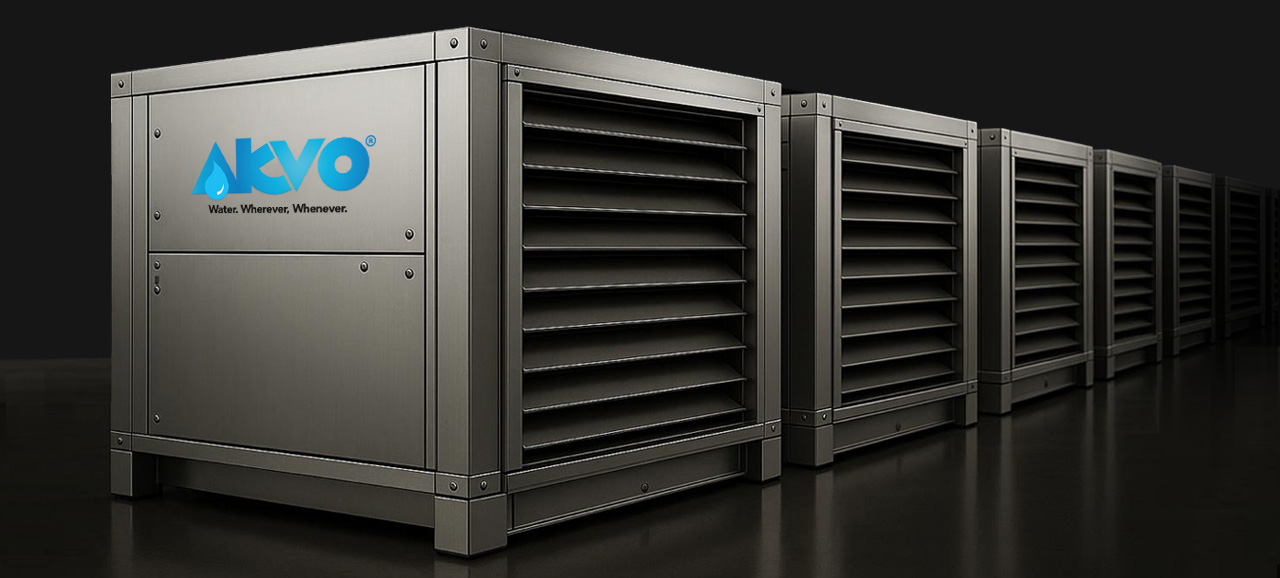
Navkaran explains how their proprietary ground breaking water system and the modular system – Akvo Water Blocks utilises condensation to produce pure drinking water from the humidity in the air. Which meet large water supply needs, each block generating up to 500 litres of water daily allowing you to scale from 5,000 to 1,00,000 litres daily.

The discussion also addressed the challenges of water management in various areas of India & the world along with the importance of educating people about the possibility of creating limitless water with AWGs.

Akvo has deployed its products in 14 countries and multiple multinational companies have installed the Akvo Water Blocks, which are most effective in areas with high humidity, such as Chennai, Bangalore, Kochi, Goa, Kolkata, Mumbai, Lakshadweep etc.

The conversation left Mr Vidyarthi fascinated and we hope more people become aware of this technology because Akvo gives you complete water independence without having to be bound to pipe lines and dubious water sources.

HPBEC

At AKVO, we’re thrilled to be part of the Aloha & Mabuhay Conference, hosted by the Hawaii Philippines Business & Economic Council. This event celebrates global innovations addressing today’s critical challenges, and we’re honored to share the stage with remarkable visionaries:

Kaivicide by R&M Reyes Enterprise, LLC: A revolutionary, non-toxic, eco-friendly cleaner powered by Hypochlorous Acid (HOCl), providing safe, sustainable solutions for everyday cleaning.
Aureus by Carvey Ehren Maigue: An award-winning solar biopolymer created from crop waste, designed to harvest UV light for applications in buildings, textiles, and more—even in low-light conditions.
AKVO’s Founder & CEO, Navkaran Singh Bagga, will introduce our atmospheric water generation technology, which produces pure drinking water from air—an innovative solution addressing water scarcity and pollution. We’re excited to expand this transformative technology to Hawaii, following its success in California, as we work toward becoming the world’s first solar water utility provider.

Moderated by Charles Degala, a seasoned professional and AKVO Ohana LLC President, this forum underscores the power of collaboration in driving sustainable progress.

Click the video link below to see the discussion.

Straits Research

The global atmospheric water generator market size was worth USD 1,600 million in 2021. It is expected to reach USD 7,762 million by 2030, growing at a CAGR of 18.35% during the forecast period (2022–2030). Asia-Pacific holds the most dominant position in the market and is expected to grow at a CAGR of 21.5% during the forecast period.

New York, United States, Aug. 03, 2022 (GLOBE NEWSWIRE) — Atmospheric Water Generators are mainly used inside the industries and business buildings, which have high setup costs. The industry’s improved emphasis on environment-friendly practices is the reason behind the increased demand for atmospheric water generators in commercial and industrial buildings. The stated market is developing with limited competition in the global marketplace. The developing recognition of drinking safe water will probably reinforce the market over the forecasted period.

Declining Fresh Water levels, Technological Evolutions, and Favorable Government Policies—Major Driving Forces for Atmospheric Water Generators

Freshwater is the utmost useful resource for human survival and is used for diverse functions aside from drinking, which incorporates commercial, agriculture, and other purposes. The decrease in water assets and the increase of population may be a significant threat to the existence of planet earth for humans and animals. The per capita water availability has significantly reduced in the last decade, which is why it is the time whilst people are looking to preserve water. With the elevated awareness about water conservation and the urge to get fresh water for everyday needs, atmospheric water generators are proving to be a blessing for the people residing in regions with a massive water shortage and acting as a key driver for the stated market.

Growing technological advancements inside the atmospheric water generators technology are allowing the producers to increase atmospheric water generators to have a super efficiency and positive environmental impact. The primary issue is the excessive-carbon footprint and requirement of excessive-power entry. The atmospheric water generator market is not so behind, with new technologies constantly evolving. There are non-stop enhancements inside the atmospheric water turbines generating clean water via numerous new strategies. The atmospheric water generators market is getting valuable support from the government, creating an additional synthetic water supply in the respective regions and helping to solve the water crisis to some extent.

Government guidelines, which include the drinking Water Directive within the European countries, the safe drinking Water Act inside the US, countrywide rural drinking Water Programme in India, are all intended to ensure secure potable water availability. Apart from all these things, the evolution of new technologies is taking this industrial segment to new heights. With constant technological changes happening in the industry, there are continuous improvements in the overall process of generating freshwater by extracting from the atmospheric conditions. This is why the atmospheric water generators are in demand and gathering the required attention on a global stage. 

View Article

Businesswire

Moreover, increasing infrastructural development and rapid industrialization have contributed to water scarcity, thereby augmenting the demand for these products over the forecast period.

Atmospheric water generators (AWGs) are manufactured using two principles, including cooling condensation and wet desiccation. Cooling condensation is the most widely used technique owing to large-scale installations in various industries. The wet desiccation technology is comparatively new and is primarily used in army base camps and large-scale industries.

Atmospheric water generators are mainly utilized in industrial and commercial facilities owing to high installation costs. Initiatives taken by companies across several sectors to implement eco-friendly practices in the business are expected to drive the product demand in the industrial application segment.

Rising research & development activities in this technology are likely to enable manufacturers to develop generators with increased efficiency and reduced ow environmental impact. New product development initiatives undertaken by various manufacturers now integrate onboard power generation units, including wind turbines and solar panels.

Many emerging manufacturers, such as Akvo Atmospheric Water Systems Pvt. Ltd. and Drinkable Air, are primarily involved in making domestic AWGs on account of the relatively simple production process. In addition, increasing investments by various governments in water infrastructure is expected to boost the demand for AWGs in residential applications.

Atmospheric Water Generator Market Report Highlights:

  • The cooling condensation segment accounted for the largest revenue share in 2021 owing to the improving technology, along with rising demand for cooling condensation water generators in water-stressed regions.
  • The industrial sector is expected to witness a significant CAGR from 2022 to 2030 on account of the growing demand for water in electricity generation, papers, mining, textiles, and pharmaceutical drugs applications.
  • The product demand in Asia Pacific is likely to grow at the fastest CAGR over the forecast period due to water scarcity and depleting freshwater resources coupled with the rising infrastructural activities and rapid industrialization.
  • In January 2020, Energy and Water Development Corp. (EAWD) sold its self-sufficient energy supply AWG system to a Mexican company engaged in manufacturing bottled waters.

View Article

Globe News Wire

Akvosphere gearing to resolve water and food crisis through revolutionary self-sustainable water generation system

Backed by a squad of environmentalists, scientists, and tech geeks, Akvo has produced a self-sustainable water generation solution that eliminates the need of depending on earth’s remaining water sources for water generation. Titled “Akvo Farm and Farming Solutions,” the breakthrough product is powered by solar energy and generates water through the help of atmospheric moisture.

In an exclusive interview, Navkaran Singh Bagga, the CEO of Akvosphere, shared that the company has been founded with one primary mission- to de-commodify the world’s biggest commodity – “water.”

“Our groundbreaking water generating system generates water using our proprietary revolutionary air-to-water technology which creates unlimited and clean drinking water from air moisture. That way, our system relieves you from relying on external water generation sources and also eliminates the hassle of paying exorbitant charges to water mafias to access water. Besides, since our system runs on solar power, you will enjoy significant savings on energy bills too.” stated Mr. Bagga.

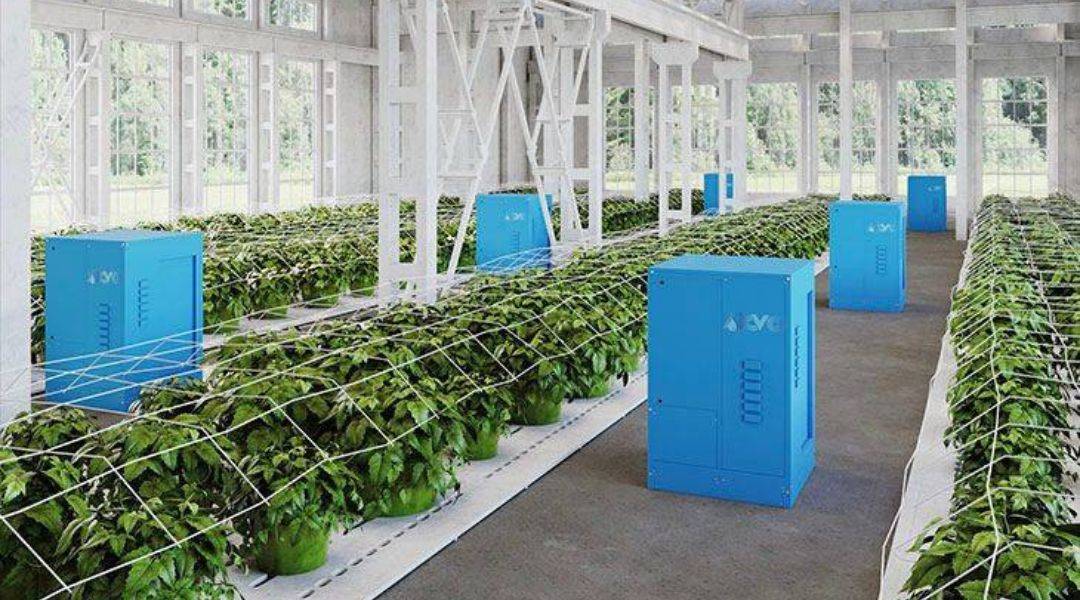
Speaking on, Mr. Bagga stressed that Akvo Farm and Farming Solutions are based on the principles of Hydroponics. Commonly dubbed as “water-based planting,” Hydroponics can be defined as soil-less and water-based planting. In a Hydroponic setup, plants are grown in an inert medium that receives the growth nutrients through specially treated nutrient-rich water. Hydroponics has shown the potential of solving water requirements in a traditional farming setup- it just takes 1/10th of water consumed in conventional agriculture to grow crops in Hydroponics setup.

“Our Akvo 100 LPD (liters per day) will be a great system to support your home farm with pure water and that too on a daily basis. Additionally, our system will also help to keep the humidity issue in check, thereby ensuring a safe environment for planting.”

The Akvo solar-powered water generation system comes in two versions- Home and Enterprise.

The Home system is for homeowners and tenants who do not want to waste money on purchased water jars. The Akvo Pod for home will help to generate fifty liters of water per day at rated conditions of thirty and eighty precent Relative Humidity.

“We assure you pure water only, devoid of bacteria, virus, harmful chemicals, and pesticides. Our Akvo Pod is equipped with proprietary cutting-edge water filtration technology that comes with three filtration layers that have proven to provide clean water in a way the other technologies can’t. In other words, we assure you of the most in-depth and most advanced water cleaning and filtration.”

The Enterprise system will generate 100 LPD every day. If an organization is not willing to buy the whole system, it can go for the Pay-As-You- Use model. That way, the enterprise-clients will only have to pay for the specific volume of water they consume.

Top features of Akvo Farm and Farming Solutions:

  • Self-sustainable water generation system backed by proprietary technology of generating water from atmospheric moisture
  • UV-treated water free from chemicals, microbes, and pesticides
  • Aimed to resolve water and food crisis across the world
  • Generates mineral-rich water only
  • Assures freedom from water mafias
  • No risk of pollution
  • No dependence on external water resource
  • Beneficial for agricultural farms or home farms
  • No need of elaborate infrastructure
  • Prevent fungal growth in farms
  • Eco-friendly water generation system powered by solar energy
  • Available for both residential and commercial setups
  • Easy to maintain

Akvosphere will start mass production of the water generation system from December 2021 and global distribution will begin from January 2022.

For more details, read the original article here to explore how Akvosphere is transforming water sustainability.

For more information about Akvo USA, (833) 246-6365